Fibre, fixed wireless or LTE: choosing a business connection
A comparison of three ways to connect a business, and the factors that matter more than speed.
Most quotes lead with speed because it is easy to compare. A shop that takes card payments and a design studio that uploads large files need very different connections, so speed alone is a poor guide.
What stops during an outage
List what your business cannot do without a connection. For a retailer, that is usually card payments and the stock system. For a professional practice, it is calls and cloud accounting. For a logistics office, it is the tracking system.
That list shows whether you need a second, independent connection, which matters more than choosing between 50 and 200 Mbps.
Fibre
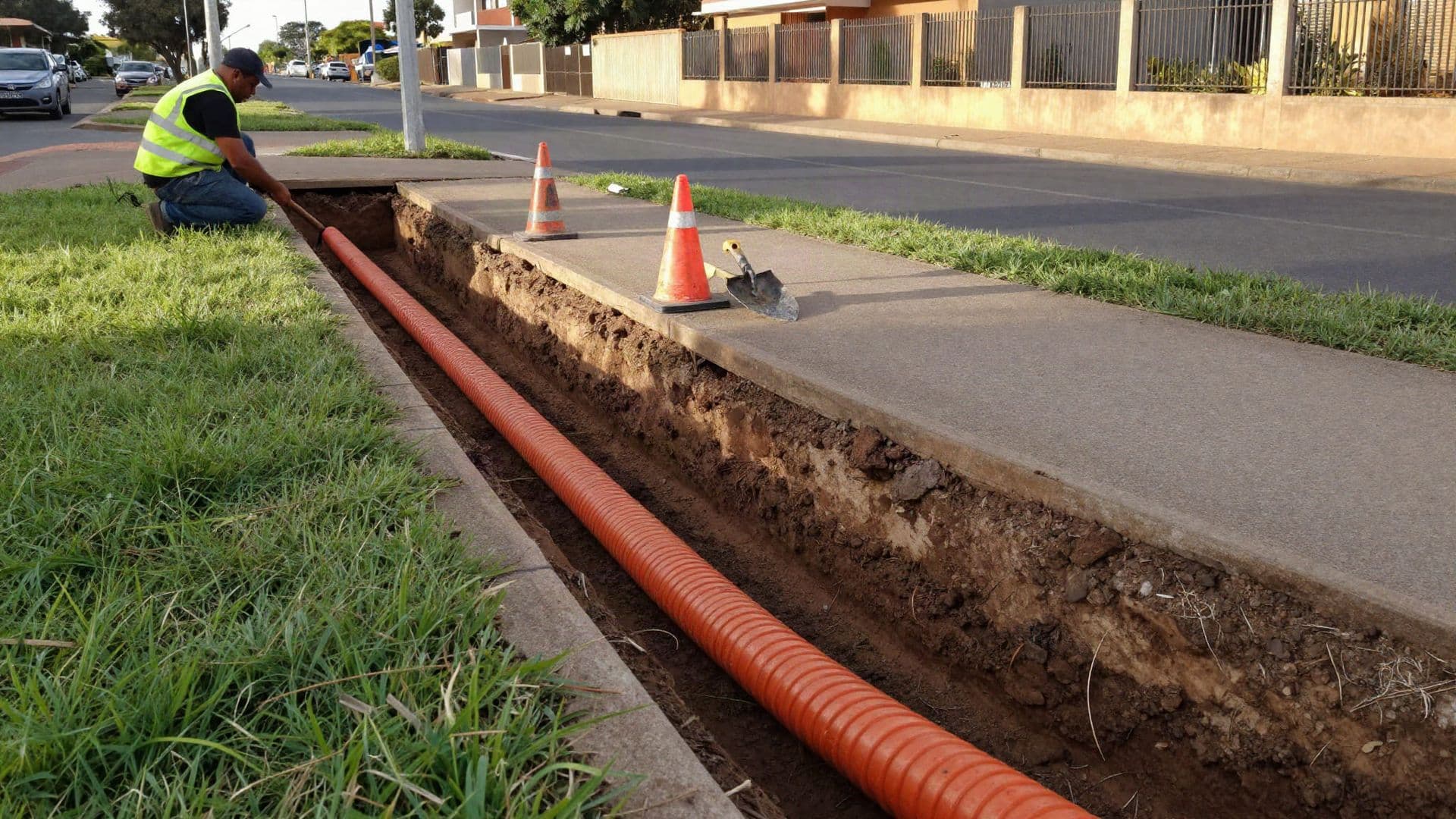
The best option where it is available. Fibre is stable, symmetrical on business packages and unaffected by weather or tower congestion. Installation can take weeks if a new duct is needed.
Fixed wireless
A radio link between your building and a nearby mast. It needs line of sight, which a site survey confirms. In industrial parks and older suburbs it is often a better option than waiting for fibre.
LTE
LTE works well as a backup and is rarely the right primary line for a business. It shares a tower with everyone nearby, so it slows down during busy hours.
The usual combination
Most businesses use one primary line plus LTE failover set to carry only essential traffic. Payments and calls continue during an outage while general browsing pauses, and the router switches over automatically.